My work as a translator stems from a genuine love for language. I dedicate to each project the time and respect it demands, making sure that I provide the client with a faithful and high quality rendering of the original. If you want accuracy, a painstaking attention to detail and the flawless results that only devotion to the written word can give, you have found your translator.
Muchas gracias por sus comentarios. Todos son muy apreciados, aunque no pueda responder uno por uno.
Estoy buscando lo qué dejó a su paso la tormenta desatada por mi entrada anterior en este blog. Siempre queda algo valioso escondido por ahí, entre las ramas caídas.
Encuentro, entre otras cosas, una reflexión sobre la furia.
La furia fue el aliento que dominó mis palabras.
La furia es generalmente expresión de dolor.
El dolor personal por la pérdida de mi mejor amiga se unió al de ver su trabajo desvirtuado, y la combinación fue explosiva.
Somos muchos los que formamos parte de la historia de Santa Sabina de una manera u otra. Cada uno de nosotros vive como puede su duelo (por la amiga y por la artista). Cada uno sabe por qué hace lo que hace.
Lo que yo pienso sobre este asunto del tributo, ya lo saben, y sigo pensando lo mismo—eso me importa que quede muy claro, con toda firmeza y sin lugar a dudas. Mi desacuerdo e indignación son totales.
Sin embargo, en mi furia no di espacio para ningún matiz. Los conciertos de tributo han sido varios, con una participación de músicos también variada. No creo que haga falta hacer una disección de cada concierto, quién tocó qué en cuál, pero sí quiero pedirles una disculpa pública a quienes participaron en algunos de ellos como una forma genuina de recordar y celebrar a Rita (ustedes saben quiénes son), pues en mi furia no hice distinción alguna entre las diferencias que han marcado estos tributos y la participación de cada uno. No estaremos de acuerdo en algunas cuestiones de forma, pero arremetí contra su propio duelo de la misma manera en que siento que otros lo han hecho contra el mío y el de gente cercana a Rita, y lo lamento de verdad.
Creo también que lo importante aquí es considerar cómo los ex miembros de Santa Sabina debemos atesorar con gozo, respeto y gratitud lo que fue la banda, la música que dejó y sigue viva, y por lo tanto el tono con que hablé de gente que nada tiene que ver con la historia de Santa debió haber sido mesurado.
Sigo pensando que estas personas ajenas han cometido un gran error y han contribuido a una falta de respeto mayúscula a Rita, a Santa Sabina y a su trabajo, pero es verdad también que ellos no tienen una responsabilidad de fondo hacia la banda porque no tienen nada que ver con ella en lo absoluto, y es verdad que estamos partiendo de universos distintos que a lo mejor no se van a tocar nunca. No les puedo pedir a ellos que cuiden algo que nunca fue suyo.
En cuanto a lo que están haciendo algunos ex miembros de Santa Sabina que ha provocado dolor e indignación en tanta gente, no repetiré lo que pienso. Ya lo saben. Mis preguntas también están abiertas.
Mi desacuerdo sigue siendo absoluto y, como lo creemos muchas personas, legítimo.
Insisto por supuesto en que no toquen ninguna de mis canciones, y me importa mucho que se sepa públicamente mi oposición a que lo hagan.
Pero lamento los excesos de mi furia en el tono que usé en algunos fragmentos de ese texto.
Mientras escribo esto estoy escuchando a Santa Sabina. La ausencia de Rita duele mucho, pero escucharla cantar es un gozo. Sabemos bien que todos los músicos que pasaron por Santa contribuyeron con su enorme talento a crear una banda irrepetible, cuya alma era Rita Guerrero.
Quiero pedirles a todos ellos, y al público de Santa también, que le demos a Santa Sabina la despedida digna que merece, o más aún, que honremos esa despedida que fue el concierto “Rita en el corazón”, y que expresemos así nuestra gratitud por lo mucho que a todos nos ha dado.
Para alcanzar esa dignidad es necesario doblegar de verdad el ego, ese fantasma que se atraviesa tan a menudo en nuestra vida, y con más obstinación aún en el medio artístico.
Para invitarlos a considerar lo que está sucediendo y honrar la memoria de mi amiga, es necesario reconsiderar también la forma, el lenguaje para decir estas cosas, justo porque provocan dolor; buscar un espacio de serenidad.
Empiezo con mi grano de arena: perdón por la ofensa implícita en la forma.
Y ojalá que el contenido no caiga en tierra estéril.
Hace muchos años, los curiosos caminos del mundillo del rock me llevaron a la singular experiencia de ver en acción a algunas bandas de tributo a los Beatles y a Queen.
Entre las muchas cosas que compartí con Rita Guerrero estaba el sentido negro del humor, y recuerdo cómo nos reíamos cuando le hacía la crónica de dichos espectáculos, entre patéticos y siniestros, ricos sin duda en interés antropológico.
Años después, cuando Rita aún estaba viva y sana, y Santa Sabina ya no existía, un espectáculo mucho más grotesco ya no nos hizo tanta gracia: un “tributo” a Santa Sabina. Era de dar pena la pobre muchachita, sacada de quién sabe dónde, que hacía el ridículo en el lugar de la cantante, pero lo verdaderamente grotesco eran los ex integrantes de Santa tocando con ella, en el acto onanista de hacerse tributo a sí mismos, incapaces de aceptar que la banda ya no existía, que algunos de ellos llevaban alrededor de veinte años fuera de la misma, y que Poncho, el bajista y miembro fundador que siguió en la banda hasta su disolución, había acatado la decisión grupal—pero sobre todo de Rita—de que ya no tenía sentido continuar.
Estaba yo de visita en México cuando vi aquellos videos. Me dio mucho coraje. Rita estaba enojada también. “Déjalos”, me dijo. Recuerdo con toda claridad su expresión seria, reflejando enojo pero también la determinación de no perder ni un instante de su tiempo en tonterías, ni distraerse del trabajo que la absorbía en ese momento y que la satisfacía plenamente: el Ensamble Galileo y el Coro de la Universidad del Claustro de Sor Juana. Su actitud era sabia, pero igual comentamos que era difícil nomás “dejarlos”. Me dijo que ojalá tuviera oportunidad de ver a Poncho en ese viaje y decirle lo que pensaba.
No lo vi entonces, y durante el resto de mi viaje no se habló más del asunto. Nuestra indignación era justa, pero estando Rita viva y creando cosas nuevas el asunto tenía la relevancia de un mosquito dando vueltas cerca de la lámpara. Rita estaba viendo otro horizonte, y ahí era feliz.
Desde hace algunos meses, cumplido un año del fallecimiento de Rita, anda circulando un nuevo tributo a Santa Sabina en manos de varios ex integrantes.
Ahora la cantante es otra pobre muchacha, una fan despistada llamada al parecer Lilian, que no cabe en sí de alegría por lo que considera su buena suerte. En algunas bochornosas entrevistas la he oído decir que se siente “muy privilegiada”. Ya volveremos a ella. Por ahora, que nos baste con mencionar un momento de pura miseria humana:
En el concierto del Museo del Chopo el pasado abril, en su bendita ignorancia de lo que significaba para Rita el escenario como espacio ritual, esta persona empezó a dar de gritos. “Lo bueno es que todos somos fans”, dijo, soltó un par de alaridos porque sin duda no encontraba las palabras para expresar su dicha, y cuando al fin las encontró, fueron éstas: “¡Qué emoción! ¡Ya me puedo morir en paz!”.
Aunque para los seres más cercanos a Rita semejante ex abrupto es una patada en el estómago, ¿cómo juzgar a esta persona? La cabeza no le da para más. Lo inconcebible es que los ex integrantes de Santa no sólo se presten, sino que hayan sido los instigadores de una situación tan denigrante.
En el triste peregrinaje por You Tube que he estado haciendo para escribir este texto, me he topado con escenas y declaraciones sorprendentes, por decir lo menos.
Vi, por ejemplo, el anuncio del concierto “Rock Perrón”. Tres personas que fueron parte de Santa en su primera época en el siglo pasado, y la pobre Lilian, nos invitan a asistir junto a un letrero que dice “Santa Sabina”. Ni siquiera “tributo”. La imagen, aunque un insulto, es también ridícula a un grado insuperable.
Vi también algunas entrevistas. Por ejemplo, con Pablo Valero, primer guitarrista de Santa. Afirma sentirse “muy halagado, como en un sueño irreal.” En efecto, esto es un sueño: el sueño particular de Pablo desde hace varios años; en efecto también, esta supuesta Santa Sabina es irreal. Habla también de su urgencia por volver al escenario, urgencia por demás notoria y lamentable de la que Rita tenía mucho qué decir. Y lo dijo en su momento.
Oí a Poncho hundido en un mar de contradicciones: “Obviamente Santa Sabina ya no puede existir.” “Este es el principio de algo inevitable, que nos juntáramos a tocar.” “Estamos tocando no porque nosotros queramos sino porque la banda lo pide”, y luego explica que esperan hacer algo nuevo juntos, ver “lo que puede llegar a ser Santa Sabina”… ¿Llegar a ser, Poncho? Santa Sabina ya fue todo lo que pudo llegar a ser. Fue mucho, todos los que fuimos parte de su historia, y su público, deberíamos estar agradecidos y no pedir más. A Poncho, aunque formó parte de toda esa historia que fue generosa en creación, en belleza, en afecto también, y en vida, no le basta. Lo implícito aquí es que lo “inevitable” era que algunos ex integrantes se juntaran a tocar gracias a la ausencia de Rita, puesto que ella ya no quería continuar con la banda. Es decir: eliminado el obstáculo, pueden reunirse de nuevo. ¿Cómo puedes dormir, Poncho?
Patricio Iglesias, por su parte, dice que con este tributo “se recrea otra parte de la historia” de la banda. ¿Cuál es esa parte, Patricio? ¿La de la ceguera, la traición (a ustedes mismos sobre todo) y la decadencia?
En los videos del mentado tributo se ven todos felices. Se abrazan, radiantes; no pueden dejar de sonreír. Es como si no pudieran creer su buena suerte.
Más asombrosa aún es la entrevista con uno de los músicos involucrados en esta vergüenza. Este nunca perteneció a Santa Sabina. Es un personaje que se hace llamar Alex Boom, baterista surgido de quién sabe qué oscuro túnel del inframundo del rock and roll, al parecer experto en formar bandas tributo. Un inocente. Dice que lo que tratan de hacer es “una réplica” de los discos de Santa. Está muy orgulloso. Está claro que su capacidad cognitiva no le da para advertir la diferencia entre los discos de la banda y la bufonería que están creando en el escenario. Le preguntan sobre el reto de buscar a alguien que sustituya a Rita en la voz, y el pobre hombre tiene la desfachatez de decir que tuvieron mucha suerte. ¡Mucha suerte!
Rita era una de las voces más extraordinarias del mundo musical (no nada más del rock) de nuestro país, una voz que educó durante toda su vida. Soy testigo de cómo nunca, ni en el último año de su vida, dejó de buscar nuevas formas expresivas con una férrea disciplina. Esa voz se formó durante años y años de entrega constante y amorosa a su arte. Toda su vida también tuvo la humildad para reconocer lo que aún le quedaba por aprender. Los que la escuchábamos a veces no podíamos comprender las sutilezas de lo que para ella era aún imperfecto, pero ella sí sabía con toda claridad lo que quería lograr con su voz y se entregaba con devoción absoluta a ese perfeccionamiento. Estaba siempre dispuesta a aprender, a reconocer el valor de sus maestros, justo porque sabía lo que implica la verdadera creación artística. Lo que Rita creó no se sustituye. Queda grabado en sus discos, y nadie lo va a poder reproducir en vivo. Esa experiencia, escuchar a Rita en concierto (o tocar con Rita), se fue con ella.
Estamos hablando de niveles de integridad y libertad artística que un Alex Boom no tiene la capacidad de empezar siquiera a comprender.
Pero los músicos que trabajaron con Rita sí que deberían saber de qué estoy hablando.
El otro día, hablando con una de sus hermanas sobre este penoso asunto del tributo, concluimos que lo más triste de todo es que confirma lo que Rita dijo de varios de estos músicos muchas, muchas veces durante la larga historia de Santa Sabina: “No aprecian lo que tienen.”
Una cosa—incluso conmovedora—sería la despistada Lilian haciendo “tributo” a Santa Sabina, aprendiéndose las canciones y con toda su inocencia tratando de imitar a Rita con otros músicos, por pura admiración o ganas de divertirse o de fantasear que se es quien no se es.
Otra cosa muy distinta es ser ex integrante de una banda y no esperar siquiera a que las cenizas de la cantante terminen de esparcirse en el mar para “aprovechar la coyuntura” y subirse a tocar como si nada hubiera pasado, convirtiendo entonces a la ofuscada chiva expiatoria en una impostora. Aprovechar es la palabra correcta. Santa Sabina desapareció por una decisión conjunta, pero quien principalmente se oponía a que continuaran era Rita. Con Rita ya del otro lado, parecen pensar estas personas, se acabó el problema.
Aunque Rita fuera el eje alrededor del que giraba Santa Sabina, el alma de la agrupación.
Lilian debe ser muy inocente para contribuir a una falta de respeto tan grande hacia Rita, a quien dice admirar tanto. Me da un poco de pena, confesando lo extasiada que se siente ahí arriba en el escenario, acompañada por ex integrantes de la banda, sus ídolos, como dice. Debe ser muy inocente también en permitir ser utilizada de esa forma por músicos atados a su nostalgia del pasado, torturados algunos por su fracaso creativo desde que se salieron de Santa Sabina; músicos que deberían agradecer lo que aprendieron tocando juntos, cómo esto enriqueció la vida de todos, su enorme fortuna por haber podido crear música con una de las personas más talentosas de nuestra generación, y tener un poco de respeto, ya si no por los muertos, al menos por sí mismos.
Aunque mi impulso visceral al ver los videos del tributo es violento, en el fondo sé que Lilian es la menos culpable de todos, y que hace esto, aunque de la manera más errada imaginable, por admiración a Rita. Así que me permito darle algunos consejos.
En una entrevista Lilian dice que ha tomado clases de baile y de canto tratando de imitar a Rita, “para lograr hacer esos sonidos” y “ocupar un espacio de alguien que se convirtió en mi motivación principal, que ha sido un ejemplo a seguir para mí.” Pero no es verdad. Si Rita fuera un ejemplo para ella, Lilian se estaría concentrando ahorita en darle forma a un proyecto creativo propio. No me queda ninguna duda de que si Rita estuviera viva y Lilian se acercara a ella buscando alguna orientación (y Rita fue siempre generosa en su apoyo a músicos más jóvenes), le diría que no buscara en otros su motivación principal, sino dentro de sí misma, en lo que ella quiere crear y expresar, sin imitar a nadie.
Si Lilian quiere seguir el ejemplo de Rita, que empiece por el de la dignidad y la integridad creativa. Que esté dispuesta a dedicar una vida entera a sus estudios y trabajo para empezar a acercarse siquiera no a “esos sonidos” que hacía Rita, sino al sonido de su propia voz, de su inspiración, de su talento si es que lo tiene, o de su honestidad para reconocer si no lo tiene.
En cuanto a la voz, me temo que si hubiera sido alumna de Rita en el coro que dirigía, ésta no le habría permitido pararse en el escenario sin antes deshacerse de sus afectaciones y desafinadas.
Lilian: el verdadero homenaje implica creación, imaginación; ahí está como ejemplo la versión de Sueño con Serpientes de Santa Sabina. La mejor manera de seguir el ejemplo de Rita es olvidarte para siempre de imitar, a Rita o a cualquier otra persona por más que la admires, y crear tu propio universo creativo. Pregúntate honestamente si tienes no nada más el talento sino la fortaleza para asumir las responsabilidades y consecuencias que implica semejante decisión de vida. Si crees que sí, respeta el trabajo de todos y el tuyo. No imites la forma, lo externo; que te sirva de inspiración lo que está de fondo, que es la vocación, la necesidad expresiva, la búsqueda de la belleza. Tu belleza, la que nadie más que tú pueda crear.
Y ni por vanidad ni por cumplir una fantasía te dejes utilizar por nadie.
Regresando a Santa Sabina, vale la pena rescatar algunos detalles para entender el contexto de este infausto tributo.
La reunión para el Vive Latino de 2008 fue el punto decisivo para llegar a la conclusión de que era mejor dejar descansar a Santa. Los motivos fueron variados y complejos, cada integrante tenía los suyos, pero uno de los principales, y lo recuerdo claramente en voz de Rita las muchas veces que hablamos del tema, era que ya no estaban creando nada nuevo, y que vivir del pasado era indigno y empobrecedor. Admitía que costaba mucho trabajo tomar la decisión porque el amor a la banda y a su público era muy grande, porque la nostalgia era poderosa y era fácil dejarse seducir por ella, pero la realidad era que ya no estaban creando y continuar así sería perder la integridad artística que había definido la historia entera de la banda, y también una falta de respeto al público, por más agradecido que éste fuera.
Por aquella época Pablo Valero, el primer guitarrista de la banda, nunca recuperado del trauma de la peor decisión de su vida, hace cerca de 20 años, de salirse de Santa Sabina porque entonces le parecía muy poca cosa, empezó a buscar a Rita insistentemente para que se juntaran de nuevo. Tenía muchos deseos de reagrupar a la alineación original. No me queda muy claro cómo quería resolver el pequeño detalle de que ya hacía muchos años que había otro guitarrista. Hubo algunas conversaciones, se indagó en la posibilidad de hacer cosas nuevas juntos, pero la cosa no funcionó. Pablo, necio, no dejaba de llamarle a Rita con una insistencia que empezaba a volverse incómoda.
El año pasado, cuando fui a México a organizar el homenaje “Cantar con Rita”, hubo algunos incidentes desagradables con Pablo. Algo hablamos de estos temas, y él insistía en que aquellas conversaciones habían avanzado y la reagrupación de Santa era inminente. Todos sabíamos que no era cierto, pero él, quizá pensando que porque vivo en Londres me podía engañar, olvidando no sé cómo la profunda amistad, por no hablar de hermandad que nos unía a Rita y a mí, y que yo debía estar al tanto de toda esta historia, insistía, como lo hace hasta la fecha, en que “había planes”. No tuve el corazón de decirle al pobre que las últimas veces que visité a Rita me tocó contestarle el teléfono en un par de ocasiones, y que Rita me hacía señas de “dile que no estoy”. La tenía ya harta.
“Pero”, me decía él el año pasado, “¡tocamos todos juntos en ‘Rita en el corazón’! ¡Fue maravilloso!” Ya no sé si es para dar risa o ganas de llorar. O de golpear a alguien. ¿De verdad cree este individuo que cuando, por primera y última vez, se reunieron todos los ex integrantes de Santa Sabina en ese concierto, era una señal de que la banda iba a juntarse de nuevo y que Pablo sería al fin llamado a sus filas para poder anular su trágica decisión de abandonarla casi veinte años atrás? ¿No entendió nunca que ese concierto fue una muestra de solidaridad, apoyo, cariño y sin duda gratitud hacia Rita, cuando ya estaba muy avanzada su enfermedad?
¿De verdad no entiende Pablo que para entonces, apenas tres meses antes de su fallecimiento, el cáncer ya se le había extendido a Rita al cerebro, y que la increíble fuerza de voluntad y pasión que le dieron la energía para cantar en ese concierto, con Santa y con Galileo, fue su forma de expresar gratitud y amor? ¿La mejor forma que encontró de dar las gracias, de celebrar todo lo bueno que había tenido su vida como cantante, y aunque no lo dijera, una forma quizá de despedirse: de los músicos con quienes había creado tantas cosas, a quienes, pese a todos los conflictos que se dan en el trabajo colectivo, había amado; del público al que amaba también, de la música que amaba, de la vida?
Hay que ser muy insensible y muy lento de entendederas para no comprender algo tan elemental y no dejarse tocar por el gesto de valentía, dignidad y belleza que fue la presencia de Rita en ese concierto. Eso era lo que habría que atesorar: el haber sido parte en algún momento de una agrupación fuera de serie que creó música valiosa que forma ya parte de la vida de otros; el regalo de haber podido trabajar con una persona con el talento e integridad extraordinarios de Rita, de haber de paso compartido su amistad, haber conocido su generosidad, haber aprendido unos de otros y haber vivido juntos cosas inestimables, incluyendo ese concierto que era una despedida, aunque todos, Rita incluida, queríamos verlo aún como un momento de esperanza de que recobraría la salud.
¿Cómo es posible que ensucien ahora ese momento, y toda la historia que tuvo detrás, los ex integrantes de Santa que contribuyen al mentado tributo? ¿De verdad se puede pasar así de a ciegas por la vida?
Cuando fui a México el año pasado, la imprudencia y egocentrismo de Pablo Valero, que ya estaba planeando, ¡a dos meses del fallecimiento de Rita!, cómo revivir sus cinco minutos de fama con Santa Sabina, hubo momentos amargos. Sentí mucha rabia e indignación, y lo dejé muy claro. No podía asimilar la realidad de ver a gente aprovechándose literalmente del fallecimiento de quien fue una hermana para mí para llevar agua a su molino. Muchos que éramos parte de la historia de Santa compartíamos esa indignación; Poncho decía compartirla también, y yo le creí, supongo que no queriendo recordar aquel otro grotesco tributo a Santa Sabina cuando Rita aún vivía.
Ahora lo veo en este nuevo tributo y me duele mucho. Me indigna aún más. No voy a dudar nunca del enorme cariño y admiración que siente Poncho por Rita. Por eso su participación me duele más que la de los otros. Él no tiene por qué andar viviendo de pasadas glorias. Él y Rita fueron los únicos integrantes que estuvieron durante toda la historia de Santa Sabina. ¿Por qué entonces está haciendo esto?
¿Y por qué lo están haciendo los demás involucrados? ¿Por qué gente que fue muy cercana a Rita y a la banda hace casi 25 años, pero que después ya no estuvo cerca ni del proceso creativo ni de la vida de Rita, se sube ahora al escenario a contribuir en esta farsa? ¿Por qué, Alfonso André?
A Rita siempre le importó mucho crear un espacio aparte en el escenario. Siempre creyó en el escenario como un espacio sagrado, se preocupaba por crear una atmósfera alrededor de la música, y ponía suma atención en los elementos teatrales y escenográficos. Las flores y las velas en los conciertos eran cosa de Rita y en general, a los demás integrantes de Santa nunca les importó gran cosa involucrarse en ese aspecto de sus presentaciones en vivo. De pronto ahora, en el tributo, no faltan las flores en los micrófonos: las flores que Rita llevó durante años y años a Santa Sabina sin que sus compañeros les prestaran particular atención.
Ahora estos mismos músicos se aferran a la forma vacía. Al gesto, al aire. Con Santa Sabina fueron parte fundamental de la creación de momentos mágicos en el espacio ritual del escenario. Rita, que era la fuerza generadora de esa magia, ya no está aquí. Cierto, todos ellos son músicos muy talentosos y todos contribuyeron a la creación de esa música y esos momentos. Pero la prueba de que Rita era el alma de Santa Sabina es que ahora ellos han subido al escenario en su lugar a una pobre muchacha a hacer el papelón de su vida, los conciertos son un tristísimo espectáculo, pedestre y vulgar, ya no existe el ritual, la magia está extinta. Y ellos, que alguna vez fueron parte de esa belleza perdida, ni siquiera se dan cuenta.
Fuera de Alejandro Otaola, el guitarrista que más estuvo con Santa y que, cuando participó en los primeros conciertos del tributo nos escribió a Aldo Max, pareja de Rita y también miembro de la banda, y a mí, ninguno de los otros ex integrantes enredados en esto ha tenido la sensibilidad de acercarse a las personas más cercanas a Rita y preguntarnos qué pensamos sobre lo que están haciendo, o avisarnos al menos lo que tienen en mente. Ciertamente a nadie se le ha ocurrido hablar al respecto con su familia. La agresión que estos “tributos” son para nosotros, no nada más porque nos refriegan en la cara que Rita ya no está aquí, sino porque son prueba de la falta de respeto por su trabajo y por lo que fue Santa Sabina por parte de personas que deberían saber lo que están haciendo, les tiene sin cuidado.
Yo espero que al menos sean conscientes de las implicaciones del uso que están haciendo del nombre de Santa Sabina, de que se están metiendo en un terreno sumamente delicado, y de que si su falta de ética y sentido común rebasa ciertos límites, tendrán que responder por sus acciones.
Por lo pronto, yo quiero pedirles que no interpreten ninguna de mis canciones. Aunque algunos de ellos hayan compuesto la música (Pablo la de muy pocas, su paso por Santa Sabina fue tan breve), la autora de esas letras soy yo y por lo tanto la autoría es conjunta. Yo escribí esas letras para que fueran interpretadas por Rita, y nuestra colaboración tenía sus fundamentos en una profunda afinidad creativa. Esta banda tributo a Santa Sabina es un insulto a lo que Rita entendía como acto creativo, un insulto a los que trabajamos con ella compartiendo esa concepción, y quiero que quede claro públicamente que yo no estoy de acuerdo con que interpreten mis canciones.
Finalmente, sólo me queda decir que aunque Rita amó profundamente a Santa Sabina, su trabajo con los músicos que pasaron por la banda y a su público, cuando decidió que ya no era sano continuar lo hizo con la vista al frente. Amaba con igual pasión la música antigua. Era una artista plena y llena de proyectos con el Ensamble Galileo y el Coro de la Universidad del Claustro de Sor Juana que ahora lleva su nombre, era muy feliz en su entrega a ese trabajo y nunca miró atrás.
Estaba harta de las veleidades, los egos enfermos y la estupidez de los submundos del rock. Basta con echar un vistazo a este supuesto tributo para entenderla.
Yesterday there was an event at the Wellcome Trust in London celebrating the Mexican Day of the Dead, curated by Jimena Gorráez. I am grateful for having been invited as one of the story-tellers.
The crowds surpassed all our expectations and many people were left queuing outside, including several friends. Some people in the audience asked if what I read was published–it is not–and a friend suggested I should put it in this blog, so I upload the whole thing here.
My story-telling was divided in two parts: the Soul’s descent into the underworld at and after the moment of Death (a rather bleak journey), and the Soul’s return to the Earth during the one day in the year that she is allowed to go back to her loved ones (a merrier affair).
Both readings were dedicated to my dear friend Rita Guerrero, who passed away this year, and finished hearing her sing with Mexican band Santa Sabina–both songs were quite fitting companions to each part of the journey.
The words of Mexican poet Xavier Villaurrutia were interweaved with my text.
Here is the whole thing (with the songs included after each text, taken from Youtube as I failed to upload sound from my computer), and thank you all for coming (those who managed to get in and those who didn’t), for your enthusiasm and for encouraging me to publish this in my blog. Special thanks also to Jimena Gorraez and the Wellcome Trust, for their kind invitation to a wonderful day of remembrance. The book
The first story. The Journey into Death
Here it is, again. I would call it a tingling, if I had a body to feel. Yet I do feel it, though there is no flesh left around me.
Shall I say it’s a calling then? And who may be calling now? Where am I supposed to go? Don’t the voices, their disembodied touch, know there is no space, nor journeying across space anymore?
I was at peace. Or how should I call it? The thickening silence, the aloneness, the sleeping with open eyes—if I had had eyes.
My eyes were torn away from me a while ago. But I have vision.
I inhabited the expanding vastness of absence, drawn into the wonder of the utmost intimacy with myself while already devoid of being.
Then something that felt like colours, ripples of light and shades, a mocking breeze started stirring the nothing of the air. I was disturbed. I felt the calling. I was awake from that sleep that was wakefulness itself. Now I find myself here, amidst neither light nor shadows, and walking, though I have no limbs to walk with. This land is not here nor anywhere. I am tired, beyond the tiredness of any mortal body, and the pangs of an anticipated joy the nature of which I do not know, a phantom of reunion, encounter, do not bring consolation: they hurt, they pierce, they stab me with the memory of something that used to be contained in the word ‘hope’. Something you are stripped of when you give up the flesh.
This land is no land! I sink. It is a swamp. It is an ocean, unwholesome, dark, though there are dazzling spans of azure and silver, sometimes—deceitful filaments of beauty laid there by godless hands just to better outline the body of darkness. I am in the middle of it, tossed by gigantic waves. The nothing that I am chokes. The air that I am gasps for air.
There are intervals when the storms subside. Then I walk on water, and it’s hard. I see no shore. I should swim whichever way to find a shore, I am so tired, so weighed down by the slabs of grief and hope that should forever have been left behind! But I have no body, no flesh around me.
It’s the beat of a sea in which I know nothing and I cannot swim, for I have left arms and feet on the shore. I feel the web of my nerves falling without me, yet everything flees like the fish become aware. I feel the pulse in my temples, a mute telegraphy answered by no one, for dream and death have nothing more to say to each other.
I was happy then, when time existed. Dazzling day and profound night had a meaning. I inhabited flesh. I was alive. My flesh was the tendril reaching for the substance of the earth, and the breath of the earth and the sea, the pulsations of light, the caress of the air. To inhabit flesh was the gift of tongues. The gift of sight and touch, of ears open to music, nostrils to take every fragrance in. I was body and soul: no division. I was.
Then it started, so slowly I first did not realize it. I can’t remember the moment when I knew it had crept in, that it was as much part of myself as body and soul, the uninvited guest that was now essence with me. The journey could no longer be delayed: I had to tear myself away from the miracle and the joy of flesh. Farewell to my eyes, my ears, my tongue, my skin! Farewell to the gates!
Was it possible? Was I really going to say farewell to the world I loved so, to night and day, the gentle rolling of time and the changes of seasons? Farewell to my flesh and the fruits of my flesh, my lovers and children.
Sadness came first, the anticipated grieving, all the love that would necessarily go unsaid—not enough time, not enough words. Then the fear. What would I hold on to, devoid of flesh? How would I be? I had not even stopped to consider the pain.
But it came along too, in due time. It hurts, the tearing away from the physical chord. There were times when it was hard to tell what or where I was, the pain of matter slowly dying around me was so overpowering. My loved ones feared I disappeared then, gone into another dimension, but no, I was there… I was only quiet, as if sleeping, but fully awake. Dazed, speechless before the spectacle of my own separation.
I wished to speak to no one. It wasn’t lack of love, no. It was rather that the certainty of love, the love lived in what was swiftly stopping to be my life, was too great, too definite, it filled me entirely and I wanted it to find its last form in the vessel of flesh, to become me, before the moment of division. I needed to see myself, the thirst was unquenchable, the mirror was all polished now, whole, no more place for concealment. Such reckoning with what one has been in the world of the living can only be fulfilled in solitude.
Grief, sorrow, fear… They cannot be shared. They are the mirror, and they are the cast of the Soul, to its most minute scratch and scar and trait.
What, I wondered, was the purpose of a Soul’s descent onto Earth, her investiture with the magnificent garment of flesh? What unspeakable cruelty could lie behind the illusion of beauty, wonder, love and ecstasy fleetingly trembling in the air before being torn through decay, separation? The painstaking learning, through joy and through sorrow, the disciplined journey into love and creation, what for? To be engulfed by loss and darkness…
No one knows how dense the darkness is until she finds herself beneath it. Unbreathable. Unbearable. Neither Soul nor body could contemplate an all-merciful God who could inflict such merciless agony, so fierce that body and Soul became indistinguishable—everything was a close-knit mesh of excruciating pain and even the physical world around it, the mystery of creation itself, were part of that pain that could only come from something far worse than evil: a void, an absence, the essence of all loss, the vortex that ate it all: all life, all joy, all beauty, all love.
Had I not been at the gates of Death, had I not known that it was Death herself the harbinger of darkness, I should have sought refuge in her.
I could not. I was already in her. There was no refuge. So I had to bow my head, my whole body bent in pain and my spirit crushed, and go under.
I will tell you how it is like, down there.
You close your eyes when you cannot fight any longer. The wailing has ceased. There is no more voice left to cry out loud. The banging against the walls in rebelliousness and rage has subsided—no more strength left. Rage has been swallowed up by grief, and grief has finally been enveloped by yielding. Life, Death, their inextricable bond has finally subdued you, you are indeed no-one. You have to let go of everything. Even breath… it is painful when it finally abandons your breast… It was the divine wind that carried your vessel along beneath bright skies. You still have an infinitesimal fraction of time to be awed by the beauty, so alien to any thought or even feeling, of that last tear that runs slowly down your face… the last one, after all those tears cried when you were flesh, the rivers of your heart that are now finally taking you away.
Then you hear the bells. You hear them without ears, they resound somewhere that is both inside and outside you. You know they toll for you. You know they call you. You know they are the last song of your heart. You are bound to follow.
How strange it is, that having lost all your senses you are not banned from experience. You are rather immersed in it, you are the phenomenon of experience itself. And thus you know that you are brought somewhere that is down under, below, beneath. Beneath what? Beneath Earth and the sea that you have already abandoned. Beneath the entire universe, beneath yourself, beneath all blessings, beneath the realm of light. Beneath faith. Beneath, most of all, God.
Do you know what is the colour of hollowness? Not black nor white. There is nothing absolute about it, nothing definite. It is the dirtiest shade of grey, abominable, and it chokes you. It is the stain that is left when everything has been taken away from you—your entrails turned inside out. Only that when you are dead, you have no entrails. You are the greyness itself. That is the essence you cannot escape from. That is you. Greyness has many layers, many worlds revolve within. It takes something vaster than time to traverse it, an endless journey. It is a spiral—you are bound to get lost.
You are given a dog to guide you. Who gives it to you? Are there any gods, or spirits, watching over you? I don’t know. It doesn’t feel like that, the dog is no consolation. It is the colour of ashes, and horribly silent. It doesn’t bark, its footsteps have no sound. Nor do yours. You walk side by side. Your body is dead but your imagination is not, and so you are given an imaginary body for the journey—to suffer the more vividly through it all.
You are impelled to cross a mountain range—blurred peaks in varying degrees of dirty greyness. You start climbing, breathless (you have no lungs, no breath), the dog by your side. But this is no natural orography. These mountains never stay still. They tremble beneath you. They roar, they shake. They crash into each other like fantastic prehistoric beasts as you attempt to climb. Chasms open beneath your feet, you find no rest, and you are tired, oh so tired! You will to close your eyes, though you have no eyes, and the volition takes you to the realm of dream—of nightmares.
All those faces around you—the ones that fear is made of. The toothless smiles, the grotesque grimaces, the piercing eyes burning with evil. They mock you, they want to see you crawl, lick the dust, the mire. They want you humiliated: you are no-one, you belong nowhere, you have lost everything. You are dead. And you have to crawl and wail—so that you understand.
A mighty tremor throws you off the highest peak. You fall with the sickening thud of a boneless body, your imaginary eyes blinded with dust. You have reached the fields beyond, but you still won’t be at peace. There is the wind—it lifts you off your airy feet. It strikes you from all sides, nowhere to run. This wind does not come alone: its gusts are laden with piercing knives, all glimmering obsidian scraping your flesh. And you thought you didn’t have flesh anymore! You thought there was no more pain to feel! But there was, and you feel it. You are to be torn and shredded, so that nothing inside you remains hidden.
You hear water running somewhere. It is dense water, it moves slowly like death itself. You walk in that direction nevertheless, the dog’s freezing breath on your heels. You want to escape it all—the wind, the knives, the fear, the mocking faces. The confusion, the overwhelming grief. You reach the river. It is dense indeed, and red: opaque crimson. It has a metallic odour. Sickening. A river of blood it is, the precious blood of all those dead before you. The entire humanity that went this path before has poured here its wealth of blood, and you don’t know why—because you are terrified and sick—but you plunge into it, and so does the faithful dog behind you. You let the red thick current carry you away. You feel its warmth, the first embrace you have received since crossing to the other side. A faint memory of rosy sunshine flickers behind your eyelids. Nearby you hear the jaguars’ roar. If you open your eyes, and wipe the blood off them with the back of your hand, you can see the fire burning in their eyes peering everywhere from the encroaching darkness. They won’t let you abandon the river, they want to exhaust you floating on the waves of blood, they want to steal your soul, all that you are now—because you are dead.
You have no voice, but you feel like wailing and ask with rigid tongue, ‘What was the point of all the wholesomeness of life, my devotion, my worshiping at the sacred wells?’ You feel teased, abused, like an innocent child drawn with sweet songs to some chamber of horror. You doubt everything that was most sacred to you, everything you held for truth. Death, you realize, brings out the worst in you: your fear, your weakness, your helplessness. The monsters of fear and need in you. Your face claiming for mercy—for love, compassion, mercy!—has no expression now. It is the distorted mask of your broken self, a stillness that bears no rest but emptiness, and though there are no mirrors in the landscape of grief, and you have no eyes, you need neither mirrors nor eyes, because you are the grief. <img
So what do you have? What magic have you called forth to preserve your soul? A shiny green stone in your mouth, lying cold on your imaginary tongue. And remembrance.
Remembrance is a forest.
You expect naked branches, gnarled trees tearing at the memory of your flesh, for you have lost all hope and can’t conceive any escape of horror.
But it is only the forest of remembrance.
What is a memory? Holding a hand, when one had hands to hold, when there was no barrier to feel the touch of tenderness. Holding a hand you love, that rests in yours in trust, childlike. Kissing that hand, kissing a beloved forehead, a blessing. That is a memory: living amber, living flames, fairy-tale images reaching out to you through coloured crystals. Holding the frail hand of a friend who is dying, feeling in its brittle skin the wealth of a life’s time creation flowing from it. Lying down quietly across the ocean in a candlelit room to accompany her in the transit to the other side, hoping that she will be spared the devastation of the realm of greyness, that she won’t have to climb the crashing mountains, that she will be safe from the wind charged with black shiny knives and won’t have to plunge in the river of blood. Closing your eyes knowing she is dying now and hoping Death’s landscape will be bright for her, as her life was bright. That is a memory. Dark tendrils that touch you when it is you yourself the one crossing the threshold. When you are all alone in the delirium of Death, a memory is both a dart thrust through your heart with most piercing pain, and a soft petal run across your face in tender consolation. A flower. A dark hollyhock, blood-like in the midst of the day’s glow, menacing in beauty, swaying against the wind in the end of summer, pierced by the setting sun, letting beams of dark transparency through, singing its brooding melody in the end of love. That is a memory. The glory, the vision granted to you in being alive, unique and holy, all contained in its luxurious petals, in the wildness of its rough stalk and leaves. The joy and the pain, the two summits of ecstasy between which human life is like a toy suspended.
The forest of remembrance says, ‘no more, no more!’ That its constant whisper. You walk through it, the dog by your side—his head bowed, the dog of Death is melancholy. You walk weighed down by a tearless sorrow—the dead, remember, have no tears, no eyes to cry with. You wonder what sense is it then, that allows you to see the first glimmers.
What is it? Gold? A golden butterfly? A golden flower?
The infinite flower of Death. The infinite flower of God, its numberless petals are the Soul’s fingers spread out to reach existence. The link between here and there.
You were pushed through the mountains, the valley and the river of horror, the forest of remembrance, so that you could find the path between Death and Life, backwards and forwards. It is a path of flowers, and they are made of gold. The Soul is not lost after all. All they could take away from you was the green stone on your tongue. You fooled the wild beasts! You are still whole!
It is true that the path is sown with bones—you can hear them rattling as your airy feet stumble amongst them—, but you know that bones are seeds, and they will rise again into life. The blood-splattered skeleton with its human eyeballs’ necklace sings of abundance, fertility, treasures innumerable grown from the bountiful earth, rich in bones, rich in past lives.
You hold the golden flower in the palm of your hand—your airy hand, ghostly, yet awake to the myriad petals’ touch—. You feel again the tingling, the calling, and follow. Ahead lies the vineyard, reunion. This flower is your lamplight.
The first song (Dix, by Santa Sabina)
The second story The Journey Back
I hear the bells toll. Unceasingly. They have been going on and on forever, surrounding this awareness, going through me. They have become my heartbeat, throbbing against the bare bone of my ribs.
There is a voice too, it is calling me sweetly. I don’t know whose voice it is, I don’t remember names, or faces, but I can feel the fondness. It is the voice of someone I once loved.
‘Where are you?’, it says. ‘What are you now?’
‘Now I am dead’, I find myself compelled to answer. ‘I am resting. I listen. Silence around me is so pure that a mere sigh might tarnish it. Memories offer themselves up to me, suspended, in relief, with the colours they had back then. I remain motionless. Every minute stops and falls to make space for a closer one. It isn’t hard to die. Everything lies in not making a single movement, in not uttering a single word, in fixing your eyes on one point, near, far.’
I am moved by the tenderness of talking to this voice. And yet, I am so tired.
‘Why have you come?’, I ask. ‘Why do you wake me? Look at me—I am intent on listening to the endless silence, hollow and hard, to the winter sky that is nothing but ashes of something that burnt out centuries and centuries ago… I am living my Death here, my present Death alone, my Death that I cannot share, that I cannot cry.’
‘What about us?’, says the voice. ‘We wait for you. We dream of you, and when we don’t, we miss you. We are preparing the welcoming, we are lighting your way back home, we…’
I stopped hearing it. Maybe it went quiet again, or it was drowned by the din of the bells. Or the dancing… There were feet stamping around my grave, round and round… They followed a pattern, a rhythm. And there was music too, someone was dancing around my grave! I could hear children laughing, high-pitched sweet voices singing. They were singing for me, laughing for me, with the simple golden round gift of happiness.
That was the balm seeping through, the blessing that shattered the everlasting winter that had frozen my blood, the eternal winter that had dried up my yellow words, the paralyzing sleep, the ice gag in my mouth. The blood that had frozen and become crystal, then hard marble, rendering me motionless in time anguished and slow with the secret, imperceptible, mute life of the mineral, the log and the statue started melting, and though I was cold bone with no more flesh around me, the warm blood of remembrance travelled around the nothingness I was and gave me back a tree of veins for it to run through, a joyous memory of flesh, embodiment.
I could see them dance, though I lied beneath the earth in my mineral self. There were many of them, boys and girls, their heads glowing, and their dance was both impeccable and mad. They were not alone. The dazzling white of bones shone here and there: a skeleton. They passed it around, they embraced it with laughter, mockery, tenderness, it was their favourite toy, their darling sibling.
They were so pure and wild.
Suddenly all my senses were awake, again.
Someone was baking bread. Someone was burning incense. And the fragrance of a thousand flowers impregnated the air. From the remains of me something gathered in the foul, confined air of the grave, particles that had been part of me but were no matter. They came from the realm of remembrance. Remembrance is a forest… so the air was not foul or confined anymore, it was no longer the trapped space of the grave—it was an open expanse suffused with the breath of trees and the warmth of sunshine. There the particles gathered, took shape, shone as they dived in the air like butterflies.
I, who had been dead, submerged in time—intact, clear, definitive, with not a lightning, no obscurity, as if bathed in the water of a mirror that would melt with its light everything futile, I who had been dead as if naked on an ice divan on a hot day, thoughts aiming at a single fixed target, I who had been dead, happily cut off persons and things, seeing them as the camera’s lens ought to look, with precision and coldness, I who was dead was suddenly seized by the wave of wonder. For I realized that the force behind the dance of shiny particles gathering in the fragrant air was the long forgotten, the long obliterated experience of joy.
Joy! I was a happy dead, a happy corpse, a happy sack of bones! And there were children dancing and singing around my grave.
The bells kept on ringing. It was not a funereal toll. It was the sheer intoxication of joy. ‘Get up!’, they said. ‘Open your eyes, your new eyes, your new gaze! Get up from the cold lonely soil! All the love you ever had, all the love you ever gave is moving with the seasons, blooming, it has taken root again in the golden flower of God, it has run its faithful cycle and you are here, among us, love and memory all around you, so get up! Come, come! Follow the fragrance! The musicians are here, the food, the garlands! The time of the living can’t wait!’
And so I did get up. My heart that had been burnt to ashes was beating again within my breast. I had flesh again, a luminous body with which to get up and leave the grave, come out into the open day, receive the sunshine, bathe in its light. And walk.
With joy came memory. All those faces! All of a sudden they were within me, around me. The beloved faces, the gestures, the smiles. The names. The sound of their voice, the ring of their laughter. My family, my lovers and children. Ah, the sunshine on those faces! The play of light and shadows on their hair. The sparkle in their eyes… My new body was full of warmth, a strange vigour, a cleansed force that impelled me forward. I truly did not know, did I walk? Did I fly?
The living were all around me, stretching out their clean hands. They gave me a dress, a clean fragrant gown. I put it on and I realized that light was coming from me, as if I was the Sun. Surrounded by the living, they held my hand, they led me along down the dirt winding road into the village. They were gently calling my name. They touched my face with their hands, soft like children’s, they described to me my own face with tender voices. They loved me so much that they reminded me who I was, who I had been, who would I always be, for nothing is ever destroyed or forgotten in the memory of the world.
I followed the fragrance, I followed the music, the riot of colour of myriads of flowers scattered all around. I was not the only one. There were hundreds, thousands! of bright dazed souls, the uncertain smiles on their pale faces—the smile of doubt, amazement, even fear—slowly softening, becoming pure and bright and simply happy, blessed again beneath the cloak of sunshine.
They had no weight, they floated in their joy just as I did, and I believe that we would have cried if our bodies had still had in them the power of tears. What tenderness was contained in the simple paved streets baking in the sun and dust! What sweetness, the dwellings of men and women, the tokens of their small cares, the smells from their kitchens. What tenderness, their beds, the slight whiff of their sleeping bodies still on the bedclothes, the most imperceptible print that their shape leaves there night after night, the soft pillow that receives their heads so gently, with their dreams, their hopes, their sorrows!
So we went down the road, all of us, the happy souls returning, hearing again the beloved voices, recognizing their faces though we knew it was only their love that carried us, that their touch was an act of yearning, because they themselves could not see us.
Far away we could hear the most delightful sounds. An unimaginable crowd of children singing and laughing. Their voices were crystal-clear and I was told they were the little angels. The souls of all the dead children who had come down to Earth a day before us. It was good to know them happy, that they could laugh so, still so happy to return to the old playgrounds and hiding places, to their dear fathers and mothers and siblings, to their old little beds.
Immaculately dressed women were hard at work outside sweeping the streets. The village was a pristine picture, bright and clean, all the doors open, garlanded with flowers. We were invited in—the souls received by loved ones and the wandering too, those souls with no belonging, no love left on Earth. We were all welcome. Each and every house had a quiet room in the shade, candle-lit: a temple, waiting for us. They offered us water, we were so thirsty from the long journey! They offered us gifts: our favourite food and drinks, flowers, the small tokens we were remembered by shining bright beneath the candles.
Never in mortal life had I been offered such celebration. No feast had ever touched my heart so. If I had found a way to know how we are remembered, that we are not extinct, that we are not shaken off the Earth like dust the moment our last breath is gone, I would have endured with much more courage the awful passage. We were remembered beyond tears—with colour, with music, with beauty.
We kept on roaming through the streets, peering into every open door, every humble house, every lit temple. Then I noticed a change in the atmosphere; something was fading. It was the voices of the children—the dead children—. They were slowly quieting down, as if they had been a dream, they dissolved in the air, and I felt a twitch of sadness.
Not for long. There was raucous laughter nearby. We started to be pushed and shoved, though gently. We looked around, and we were surrounded by devils. There were many of them… or were they living men? The fun they had! And how they made the women and old people and kids laugh! They danced and drank, and they said the most curious stories about hell… Their hell was, it was clear, a much better place than the underworld I had seen myself forced to traverse. It was the hell of the innocent. The punishment for the inexistent sin of being alive: alive and made of flesh, desirous, longing, craving. Alive and bent for pleasure. Alive and reckless, proudly disdainful of impossible Death, more impossible for being ever present!
A devil took me in his strong arms. They were living arms indeed, brown skin, the firmness of muscles and sinews sustaining my imaginary body in the middle of the living world still standing. I could smell the sweet fragrance of morning sweat—the dancing and the sun after the early ablutions. He whispered in my ear salacious words that made me laugh. There is no space for prudery in Death. I laughed, and somewhere in me, in that incorporeal substance that I was, I felt a memory: the pangs of desire, the delights and the tortures of flesh, the freedom and the slavery of human bodies, wanting, ever wanting… And I felt sad again, just as I did when I stopped hearing the pure voices and songs of the dead children.
For it makes no difference whether if it is purity or lust that we miss, when we are dead. There is no difference. It is the simple act of being that fills us with longing. Remembering who we were, what roads we walked upon and who we loved. How we loved. Even our grief becomes a precious jewel shining in tortuous crimson, hanging from the trees in the forest of remembrance.
There was much dancing in the streets now. The devils danced with real living women and with the dead as well. It was now hard to tell the difference between us and them. Dusk had descended on us. We had no more illumination than the trembling candle-lights showing through the windows, and all outlines were blurred, all frontiers banished. People sang—both the living and the dead. I remember I sang too, a song that had been old when I first heard it as a child, a song that was a bridge between all times past and now. There were moments when I could not have said if I had truly died, so real was the feeling of being alive, drunk on my own happiness, intoxicated by the smell of flowers and dance and laughter! And it crossed my mind that maybe no one truly knew at that moment whether if they were alive or dead. It was more than reunion. It was union. We all shared our common humanity, with our force of life, with our death and decay. There was no division. Life and death were Us. And that was the ultimate manifestation of love.
Suddenly I stopped dancing. I released myself from the arms that led me—not a devil now. It was a pretty young woman who rejoiced with all the might and joy of youth. I felt dizzy, stunned, and the thought came to my mind that maybe there was something wrong in that feast. I looked around: people danced and drank and laughed and were merry and kind to each other, they touched, they sang, and I saw a living skeleton moving among them—the most consummate dancer, the lightest, the quickest, passing through everybody’s arms in a flash of whiteness. What, I thought, if we were breaking some sacred order, by mingling that way? By uniting two realms that were meant to remain apart, piercing the mystery. By entering forbidden territory through a defiant act of love.
‘Do not worry!’, said an old, old voice by my side. I turned around and saw an ancient woman; her face was the craggy landscape of the whole history of the Earth, and if she was one of the living or one of the dead, I could not tell, though she smelt of earth and herbs and spices. ‘It is true’, she continued: ‘this is the world turned upside down. But this is necessary too. It is from the mingling of life and death, and of it only, that life regenerates. Our union will make the Earth flourish anew. Do not worry. Soon enough all will be in order again. The Divine Hand will part light from darkness.’
Should I have felt relief? I didn’t. I turned to look at the dancing crowd and I ran mad with desire to join them again, before the old woman’s words came true and order was established back on Earth. I made a feeble attempt at singing, the old beloved song again, but I had no more voice, I felt again like mist, and any attempt I would have made at sound would have been drowned anyway by the clamour that followed. I heard rumbling and then the dark sky was pierced by the most extraordinary light, dazzling flowers of radiance bursting in the sky, falling back to earth in an arch of colour before dissolving in the air. I smelt burnt powder, there was smoke and much laughter everywhere and it was hard now to make up any shape.
I realized then this was the signal. Order was to be restored. We were to go back to our world of shadows, to the grey icy stillness, the inscrutable land of the dead.
Indeed, soon the songs became melancholy and sad. No more could you hear the stamping of dancing feet on the ground. Rather the shuffle of thousands of feet as they walked slowly in procession. A smell of incense, still the fragrance of the thousand petal flowers, and again the ringing of the bells. ‘Back, back, back’, they said. ‘It’s time to go back’.
And I had long lost the gift of tears!
The living walked all around us, gently pushing us back, towards the village’s end. They all held candles in their hands, to light the way. If they didn’t we wouldn’t find the way, we would be forced to light our own fingers in order to see. But the living were gentle, they led us through with their mourning songs, the bells, the light, the solemn voice of farewell.
We reached the cemetery’s gates. The whole place was a source of warm amber light. All our graves had been cleansed, weeded, planted with new flowers, covered with candles. So we were not afraid. We had their sweet songs to wrap us up. We carried against our bosom all the cherished gifts they had given us. Most of all, I carried in my ghostly hands the warmth of their flesh, in my ghostly eyes the living flame reflected in theirs.
And though there was sadness in returning to the grave and the shapeless worlds that open beyond, I was contented: I had been reminded who I had been. I had been showered with memory and love. I was, I still was. I would not be forgotten, I would not be lost from the fabric of time. And I’d be called back to feast, every year, over and over again…
The second song. “Nos queremos morir” (We Want to Die) by Santa Sabina
No tengo palabras para agradecer todos y cada uno de los comentarios que me han enviado, y su consuelo.
Les comparto este obituario que escribí para Rita. Está en inglés, quería que apareciera en la prensa inglesa pero no encontró lugar. Lo subo entonces aquí, hoy que se cumplen dos meses desde su partida.
Les aviso también que el próximo 2 de junio le haremos un homenaje en el Claustro de Sor Juana, en el DF, a las 7 p.m. Más adelante subiré la invitación. Gracias de nuevo, con todo mi corazón.
I have no words to thank each and every of the comments you have sent me and the comfort they’ve brought.
I share with you this obituary I wrote for Rita. It did not find a place in the British press, so I upload it here today, which marks two months after Rita left us.
On the 2nd of June we will have an homage for her at the Claustor de Sor Juana, at 7 pm. I will upload the invitation later.
Thank you again with all my heart.
Obituary
Rita Guerrero, leader of Mexican rock band Santa Sabina, conductor of an Early Music choir at a University in Mexico City and whose theatrical skills inspired a whole generation of actors, has died from secondary brain cancer on the 11th of March 2011 at the age of 46.
From her youngest followers to the President of Mexico, her death has unleashed an outpouring of tributes in her country and abroad to one of the most uncompromising and gifted artists ever seen on the Mexican stage.
Guerrero was born in the city of Guadalajara in 1964, where she studied music and became part of the experimental theatre project “S”. She moved to Mexico City to study theatre at the Centro Universitario de Teatro. Her participation in the student strike that shook the National University in 1987, leading to the formation of a Students Congress, made her meet other radical artists and changed the course of her career. Under the direction of David Hevia, she acted on Jerzy Grzegorzewski’s America and Hevia’s Vox Thanatos, which left their mark on a cohort of actors–on hearing news of Rita’s death, Gael García Bernal stated that seeing these plays as a boy made him wish to become an actor. America and Vox Thanatos included live music originally composed by experimental jazz-rock musicians then in their teens. Guerrero sang, and their musical affinity made them form the band Santa Sabina. Their first performance in 1989 electrified the audience with their complex music and Guerrero’s vocal feats. They soon became a cult band, and though Rita kept on acting in film and theatre, from then on she devoted most of her efforts to music.
Santa Sabina’s concerts were otherworldly three hour events, enhanced by Guerrero’s theatrical experience. Stage design was usually the labour of her and artist-friends who worked with scant resources to stunning results. Their experimental compositions and Guerrero’s mesmerizing force as a performer led King Crimson’s Adrian Belew to produce their second album, Símbolos. A few years later, when the band was King Crimson’s opening act, KC’s hard-to-please founder Robert Fripp praised their sound’s purity –a quality that Guerrero harnessed seamlessly to her Early Music work. Santa Sabina performed often in America and had a series of European appearances. They went into hiatus in 2004, after five studio albums.
While still working with the band Guerrero built a repertoire of Early Music and founded the Galileo Ensemble that recorded two albums. Their interpretations, both virtuous and fresh, of Sephardic songs, music from Medieval Spain and the Mexican viceroyalty earned them the respect of a diverse audience.
Guerrero was also known for her activism as an outspoken supporter of the Zapatista 1994 uprising in Southeast Mexico, and later of candidate López Obrador during the disputed 2006 Presidential Elections.
In 2005 she became conductor of an Early Music Choir at the Universidad del Claustro, a former convent where 17th Century Mexican poet and nun Sor Juana Inés de la Cruz lived. Guerrero unearthed valuable music from the viceroyalty era and produced several theatrical music projects. The choir’s first album was launched last year.
When in January 2010 Guerrero was diagnosed with breast cancer, her enthusiasm for music did not diminish in the least—she was still working a month before her death. In May that year she was behind the staging of the show Música Divina, Humanas Letras. Rita conducted the choir and played a character in dialogue with Sor Juana, bridging the gap between the 17th and 21st Centuries—a fitting conversation between two unconventional Mexican women whose lives and work walked the thin line that separates the sacred from earthly fulfilment. Guerrero used the loss of hair from chemotherapy as a prop to enhance the androgynous ambiguity her character called for.
Last December, 22 Mexican rock bands played at a concert to raise funds for her treatment of what by then had become brain cancer. Rita gathered all former members of Santa Sabina and closed the concert, singing until the small hours.
On her death, some 2,000 people queued in the street around Sor Juana’s chapel were her wake was held, and which had not been used to honour a public figure on such an occasion for 50 years, in order to pay their respects. She was lying on a bed of flowers, surrounded by candles and music, just as she loved to be onstage.
Leader of a ‘cult’ band, a free spirit who built her life’s work on the fringes of the mainstream, she might have been surprised at the way her talent has been honoured by even the most official organs of Mexican culture and show-business. It is easy to imagine her ironic laughter at the condolences sent to her family by President Felipe Calderón, whose mandate is still tainted by the suspicion of fraudulent elections.
Rita Guerrero’s family and friends grieve for a generous, brave and loving woman who, despite her iconic status in Mexican culture, never cared about stardom, fame or riches. As she always said, all she wanted was to create and share beauty. She is survived by her partner Aldo Max Rodríguez, former member of Santa Sabina, and her son Claudio, who turned five the day after her death.
(Scroll down to read in English)
Querida Rita:
Finalmente los días se van alargando en Londres. La primavera se abre paso y empiezan a florecer los cerezos. Por todas partes se ven también los narcisos y los crocuses, que según el diccionario se llaman “azafrán de primavera”. Hemos tenido días muy hermosos, de luz suave. Ahorita es el ocaso, y te lo cuento como te he contado tantas veces cómo está el paisaje londinense, el cielo, el clima.
Te estoy oyendo cantar, te he estado oyendo cantar todo el tiempo estos días, y sé que somos muchos los que te escuchamos a la vez. Eso lo debes sentir.
He visto el amanecer, que también empieza a llegar temprano en estas fechas. La madrugada después de tu partida, se paró un pajarito en el antepecho de mi ventana.
En el amanecer de hoy estuve hablando por teléfono con gente querida que estaba allá en el Claustro, despidiéndote y en esa celebración que te hicieron tan hermosa. Por lo que me contaban, y las fotos que he visto, es justo lo que hubieras querido. Parece como si la hubieras organizado tú (tu producción, como bromeábamos). Me duele más allá de las palabras no estar allá justo ahora. Es quizá un dolor egoísta: lo que quiero es abrazar a la gente que te quiere, que me abracen, llorar juntos, y también estarte recordando, reírnos como hemos reído tanto contigo. Pero de alguna forma se ha salvado la distancia. No han parado las llamadas telefónicas, los emails, y aunque ya sabía lo querida que eres por tanta gente, esta manifestación de amor y admiración tan enorme me tiene profundamente conmovida, y me da consuelo.
El día anterior al concierto “Rita en el corazón” de diciembre, que fue otra expresión profunda de amor por ti, hablábamos por teléfono y me decías que estabas muy conmovida y que no sabías qué hacer con tantísimo amor. Te dije, y te lo repetí muchas veces, que lo tomaras todo: que lo habías sembrado, que no te preguntaras nada y simplemente lo tomaras. Sé que ahora ya no te lo preguntas, que ahora sí te abraza ya sin reservas, y que te debe estar ayudando en este tránsito. Tú y yo hablamos muchas veces de las cuestiones del alma, compartimos nuestras dudas con respecto a la fe; creo que ni tú ni yo hemos estado nunca muy seguras de si tenemos fe o no. Pero en el alma sí creemos, y por eso nos hemos dedicado a crear belleza (¡a intentarlo al menos!) de la forma en que lo hemos hecho –a través de la música o las palabras o el teatro, de tantas formas, pero crear, creyendo en la trascendencia de la belleza que nace del alma humana, en esa forma de divinidad (sé que en eso estamos medio pasadas de moda, pero esas consideraciones nunca nos han importado en lo más mínimo).
Hoy tengo que tener fe para poderte acompañar deveras: saber que estás aquí, con nosotros, que sientes nuestro amor, y por eso te escribo. Te escribo también porque es lo único que puedo hacer para estar cerca de todos los que te queremos y cerca de ti.
Ayer en la mañana fui a dar mi clase en el Instituto Cervantes. Sé que es lo que hubieras querido que hiciera. Seguí tu ejemplo: tú estuviste con tus alumnos del coro hasta el final, con quimioterapias o sintiéndote enferma, no importaba, nunca los abandonaste. No te iba yo a decepcionar quedándome llorando en mi casa: puedo oír perfectamente tu voz y cómo me hubieras regañado. Por una curiosa coincidencia, esa clase sería la segunda sesión sobre el tema “la importancia del canto en tu vida”. Mis alumnas llevaron unas tareas muy bonitas, sus canciones favoritas, que pusimos en You Tube, y entonces yo te hice tu homenaje. Oímos “Siente la claridad”, uno de los regalos más bellos que me has hecho y que me sigue dando fuerza cuando estoy triste, como te lo he dicho hasta el cansancio, y “A la orilla del sol”, que es también un regalo tuyo y de Santa Sabina porque fue la primera canción a que le puse letra, y ustedes con la música han convertido mis palabras en otra cosa; es un proceso muy misterioso, las palabras entonces tocan a la gente de forma distinta, y eso lo descubrí con “A la orilla del sol”. Luego una alumna mía hasta cantó, así que ya tuviste tu homenaje en Londres, con una celebración del canto.
Hoy que vamos a despedirnos de la parte visible de ti, de esa envoltura del alma que es el vehículo físico con que andamos por la tierra, necesito desesperadamente estar cerca de ti y cerca de quienes te queremos y admiramos. No sé cómo. Compré un ramo de narcisos porque son una imagen esencial de la llegada de la primavera en Inglaterra. Simbolizan el fin de la oscuridad, del frío, la renovación de la vida. Uno los ve salir, al mismo tiempo que las tardes se alargan, y es imposible no sentir una forma de esperanza, suave y dulce, en el corazón. Voy a estar oyéndote cantar en esos momentos, encenderé veladoras para iluminarte el camino.
No sé qué me dirías de hacer pública esta carta. Hemos tenido tantas conversaciones sobre lo que hay que hacer público y lo que no, y sé cuánto te molestaba la falta de pudor con que algunas personas revelan a todo el mundo sus cosas más íntimas. Podría mandarle esta carta sólo a tu familia. Pero me han llegado muchos mensajes de la gente que te quiere y admira sin conocerte en persona, y veo todos los que han llegado a tu página de Facebook. Me contaron de todos los que fueron a saludarte ayer al Claustro, tu público, y yo sé no nada más cuánto los amabas—amas—, sino la fuerza que te dieron durante el largo trayecto de la enfermedad. No sé de qué otra forma agradecerles el que te hayan dado esa fuerza, más que dejándoles leer esta carta, ni cómo agradecerles tampoco el consuelo que me han dado a mí, mandándome mensajes a este blog y en tu página de Facebook. Así que decido compartir estas palabras con ellos.
Me va a llevar mucho tiempo entender tu ausencia. Se me hace un nudo en el estómago de saber, intuir, cuánto y de cuántas formas te voy a extrañar. Pero dentro de toda esta desolación, tengo también serenidad y hasta una forma de alegría, por ver lo amada que eres y todas las cosas invaluables que nos dejas. La belleza que creaste y que aquí sigue, en tu música. Tu ejemplo como una artista que no condescendió nunca, que no se traicionó nunca. Tu entusiasmo, tu fortaleza, tu alegría. Rita, tu vida fue excepcional, has sido una mujer excepcional, y tú sabes que yo no pierdo la objetividad aunque te quiera tanto. Lo digo deveras, y está toda la gente reunida ahorita a tu alrededor para demostrar que digo la verdad, que no me ciega el cariño. Viviste la vida que quisiste vivir, y sembraste amor y belleza por todas partes. Quienes sólo te conocen por tu obra tienen ya bastante riqueza tuya. Tu familia y amigos tenemos además tu cariño, tu generosidad, tu fortaleza y tu alegría. No sé qué vamos a hacer, no sé cómo le vamos a hacer, pero sé que cuando aprendamos a reconciliarnos con el hueco que deja tu ausencia, sabremos ver con más sabiduría todo lo que no es hueco, todo lo que dejas que no se muere nunca. Y está también, por supuesto, Claudio con nosotros, y si algo me consuela de que vaya a crecer sin tener tu presencia física, es saber que la lección de vida que le has dado es infinitamente más valiosa de lo que muchas personas logran darles a sus hijos aunque vivan mil años; que entre tú y Aldo le han dado ya una lección de fortaleza y de cómo el amor es la única respuesta verdadera, real y tangible ante el dolor, y que Claudio va a vivir con eso siempre y lo va a hacer fuerte.
Tú sabes lo cercana que eres a mi corazón, todas las partes fundamentales de mi vida en las que has estado cerca, que hemos caminado juntas. Eso sí es entre nosotras y entre los más cercanos a nosotras, así que no digo en esta carta todo lo que has significado en mi vida, porque son partes de nuestra historia personal, y también porque no tengo palabras.
Lo que más he sentido en estos días tan extraños, tan irreales, son dos cosas: un dolor espantoso, inexpresable, y a la vez gratitud. No me importa sentir el dolor: vale la pena sentir tanta desolación por perderte, después de todo el cariño tan profundo, toda la belleza, toda la alegría y lealtad que le has dado a mi vida, y eso no se pierde nunca.
Te quiero mucho, espero estarte acompañando en algún lugar. Ahora debes estar en el centro de la transfiguración, la purificación del fuego, que es fuerza y belleza pura abierta al renacimiento.
Adriana Dear Rita,
At last days are becoming longer in London. Spring starts breaking through and the cherry trees are in blossom. All around you can see the daffodils and crocuses. We have had some very beautiful days, with a soft light. It is twilight now; I tell you this as I have told you so many times how does the London landscape and sky look, how’s the weather.
I am hearing you sing, I have been hearing you sing all the time these days, and I know that it is many of us who are doing so at the same time. You must feel that.
I have seen dawn, that also starts to come early at this time of year. At dawn after you left us, a little bird came to stand at my windowsill.
At dawn today I was talking on the phone with people dear to both of us who were there at the Claustro, saying goodbye to you, in that beautiful celebration they made for you. For what they were telling me, and the photographs I have seen, it is just what you would have wanted. It is as if you had organized it yourself (your production, as we used to joke). It pains me beyond words not to be there just now. It is perhaps a selfish sorrow: what I want is to hug the people who loves you, that they hold me, to cry together, and also to be remembering you together and laughing as we have laughed so much with you. But somehow the distance has been bridged. Phone calls and emails have not stopped, and though I already knew how loved you are by so many people, this enormous manifestation of love and admiration for you moves me deeply, and comforts me.
The day before the “Rita en el corazón” concert last December, which was another deep expression of love for you, we were talking on the phone and you told me that you were very moved and did not know what to do with so much love. I told you, and repeated to you many times, to take it all: that you had sown it yourself; I told you not to question anything and just to take it. I know that now you don’t wonder what to do with it anymore, that now it indeed is embracing you with no reservation. You and I talked many times together about the issues of the soul, shared our doubts regarding faith. I think that neither you nor I have ever been quite sure whether if we have faith or not. But we do believe in the soul, and that is why we have devoted ourselves to create beauty (to try at least!) the way we have done, believing in the transcendence of beauty that is born in the human soul, in that form of divinity (I know we are old-fashioned in this, but we never have cared in the least about such considerations).
Today I must have faith so that I can truly accompany you—to know that you are here with us, that you feel our love, and that is why I am writing to you. I write this letter also because that is all I can do to be near all of those who love you, and to be near you.
Yesterday morning I went to teach at the Cervantes Institute. I know that is what you would have wanted me to do. I followed your example—you were with your pupils from the choir until the end, you never let them down. I was not going to disappoint you by staying crying at home. I can hear perfectly well your voice and how you would have told me off. By a curious coincidence, that class would be the second session about ‘the importance of song, or chant, in your life’. My pupils had done beautiful homeworks, played their favourite songs in You Tube, and then my homage to you was to play two of your songs. We heard “Siente la claridad”, one of the most beautiful presents you ever gave me and that still gives me strength when I am sad, as I have told you endlessly, and “A la orilla del sol”, which is also a present from you and Santa Sabina because it was the first song for which I wrote the lyrics, and you and the band, with your music, have turned my words into something else. It is a very mysterious process, words then touch people in a different way and I discovered that with that song. Later in the class a pupil of mine even sang, so you’ve had your homage in London too, with a celebration of singing.
Today that we are going to say goodbye to the visible part of you, that cover of the soul that is the physical vehicle through which we dwell on Earth, I need desperately to be near you and near those who love and admire you. I do not know how. I bought a bunch of daffodils because they are an essential sight of the arrival of Spring in England. They symbolize the end of darkness and cold, the renewal of life. You see them coming out at the same time that evenings grow longer, and it is impossible not to feel a form of hope, soft and sweet, in your heart. I will be hearing you sing then, I will light candles to illuminate your way.
I don’t know what you would say about making this letter public. We have had so many conversations about what should be made public and what not, and I know how much the lack of modesty with which some people reveal to the whole world their most intimate matters irritated you. But I have received many messages from people who love you and admire you without knowing you personally, and I see all those who have reached your Facebook page. They have told me about all those who went to visit you yesterday at the Claustro, your audience, and I know not only how much you loved them—love them–, but the strength they gave you during the long journey of your illness. I can’t find any other way to thank them for giving you that strength but letting them read this letter, nor how to thank them also for the consolation they have given me, sending me messages to this blog and through your Facebook page. So I decide to share these words with them.
It will take me a long time to understand your absence. I feel a knot of pain in my stomach just to know, to sense how much and in how many ways I’m going to miss you. But in the midst of all this desolation, I have also serenity and even a form of joy, to see how loved you are and all the invaluable things you leave among us. The beauty that you created and that is still here, in your music. Your example as an artist who never compromised, who never betrayed herself. Your enthusiasm, fortitude and happiness. Rita, you had an exceptional life, you have been an exceptional woman, and you know that I don’t lose objectivity even if I love you so much. I truly mean it, and all those people around you right now show that I am right, that I am not blinded by my affection for you. You lived the life you wanted to live, and have sown love and beauty everywhere. Those who only know you through your work have already much richness from you. We, your family and friends, have also your love, your generosity, your fortitude and joy. I do not know what we’re going to do, how, but I know that when we learn to find reconciliation with the void that your absence leaves, we will be able to see with more wisdom everything that is not void, everything that you leave and never dies. And of course there is also Claudio with us, and if there is anything that comforts me from the fact that he will grow without your physical presence, it is to know that the lesson of life you have given to him is infinitely more powerful than what many people manage to give their children even if they live a thousand years; that you and Aldo have already given him a lesson of fortitude, and of how love is the only truthful, real and tangible answer in the face of pain, and that Claudio will live with that forever and that will make him strong.
You know how close you are to my heart, all those fundamental parts of my life in which you have been near, that we have walked together. That remains between both of us and the people closest to us, so I won’t say in this letter everything you mean in my life, because that is part of our personal story, and also because I simply have no words.
What I have felt the most in these days, so strange, so unreal, are two things: a horrendous, inexpressible pain, and at the same time gratitude. I don’t mind feeling the pain: it is worth it, to feel so much desolation at losing you, after all the deep love, all the beauty, all the happiness and loyalty you have given to my life, and that is never lost.
I love you very much. I hope I am accompanying you somewhere. Now you must be in the centre of transfiguration, purification through fire, which is pure strength and beauty open to rebirth.
Adriana
Supongo que les debo una disculpa a quienes a veces pasan por aquí. Sigo explorando las provincias del silencio, como lo dije hace un año. Si algo en mí siente que se quiebra bajo las tormentas de información, opiniones, hallazgos y rabias de la conciencia colectiva, no puedo contribuir al caos escribiendo un blog –no, mientras no encuentre en este espacio la intimidad que también requiere la palabra.
Perdonen, no logro siquiera explicarlo. Espero que mi silencio, que es consecuencia de mi retraimiento ante el exceso, no sea ni reaccionario ni prueba de haber sucumbido a la impotencia. Quiero saber quién soy, qué soy. Quiero encontrar astillas minúsculas pero fulgurantes, inobjetables de realidad, y entonces callo.
Por el momento lo único honesto que puedo hacer es escribir mis libros. Les agradezco de corazón su interés y les cuento que la larga novela blakeana estará terminada en unos cuantos meses. Se siguen acumulando los libros terminados pero inéditos en mi cajón. Algunos me han preguntado dónde pueden encontrar mis libros publicados. Por desgracia el único de ellos accesible es mi más reciente libro de poesía, Una rosa, editado el año pasado por Ediciones sin nombre, que seguramente está en varias librerías de México. Los demás están fuera de circulación. Trataré de encontrar espacios para los ejemplares que me quedan de La sed y Estaciones, y próximamente enviaré algunos ejemplares de La sed a la librería Profética de Puebla.
Aunque el año que inicia promete ser duro para casi todos en el planeta, les deseo que logre sin embargo ser ardiente y luminoso.
Como complemento del silencio, los dejo con algunas imágenes de las cosas que veo por mi ventana. I guess I owe an apology to those who sometimes come and visit. I am still exploring the realms of silence, as I said a year ago. If there is something in me that feels it’s breaking beneath the storms of information, opinions, findings and rages of collective consciousness, I cannot contribute to chaos writing a blog –not as long as I don’t find in this space the intimacy that the word wants too.
I am sorry, I cannot even explain this. I hope that my silence, a consequence of my retreat in the face of excess is not reactionary, nor a sign that I have succumbed to impotence. I want to know who I am, what I am. I want to find shards of truth, minuscule but radiant, incontrovertible, and thus I keep silent.
At the moment the only honest thing I can do is to write my books. I thank you for your interest. The last news is not much: the long blakean novel will be finished in a few months. The finished but unpublished books keep on accumulating in my drawers. Some people have asked here where they can find my books. Unfortunately the only one that can be found is my latest book of poetry, Una rosa, published last year by Ediciones sin nombre, that is surely in several bookshops in Mexico. The others are all unavailable. I will try to find spaces for those copies I have left of La sed and Estaciones.
Though the year that starts promises to be a hard one for almost everybody on earth, I do wish you that it manages to be ardent and luminous in spite of all.
I leave you with some images of the things I see through my window, as a complement to silence.
No tengo muchas excusas para justificar mi larga ausencia. Simplemente, llevo meses sin creer que tengo algo que deba o quiera
compartir con el ancho mundo. Será que estoy concentrada en la novela, y en lo más esencial de mí –tratando de encontrarlo. Estoy entonces en un periodo de silencio cibernético. Disculpen.
Pero estoy en México en estos meses, y si alguien asoma aún por este espacio, aprovecho para dejarles dos invitaciones que aparecen al final de esta entrada.
I don‘t really have any excuse to justify my long absence. It is simply that, for months, I haven‘t felt there is anything I wish to or should share with the vast world. Maybe it is just that I am concentrated on the novel, and on the most essential part of me –or at least trying to find it. Therefore I am going through a period of cyber-silence. Sorry.
But I am in Mexico at the moment, and if anyone still looks into this space, I would like to invite you to the following events:
La ausencia ha sido larga: disculpas. La vida cambia, se mueve de maneras extrañas. A veces se mueve demasiado y entonces el blog sufre. Pero no quiero empezar el año sin agradecer a todos los que me han seguido en este espacio por su atención y su paciencia, y desearles un 2010 con muchos libros.
Londres ha estado llena de contrastes en esta temporada festiva: días grises de lluvia y oscuridad interminables, nevadas seguidas de mañanas claras, frías, cristalinas brillando sobre la blancura como en un sueño de imposible pureza. El primero de enero llegó como un regalo: luz, una luz límpida arrancando los colores más hermosos de las ramas desnudas de los árboles, del cabello de la gente, el pelaje de los perros en el parque, la blancura de las gaviotas paradas sobre el hielo en el estanque.
La escritura avanza. Mi novela crece. Por el momento no pido más.
The absence has been long, and I apologize. Life changes, it moves in strange ways. Sometimes it moves too much and then the blog suffers. But I didn’t want to start the New Year without saying thanks to those who have followed me in this space, for your kindness and your patience, and I want to wish you a 2010 with many books.
London has been full of contrasts during the festive season: grey days of endless rain and darkness, snow storms followed by clear, cold and crystalline mornings shining on all that whiteness like a dream of impossible purity. January the 1st came as a present: light, a limpid light bringing the most beautiful colours out of the trees’ naked branches, people’s hair, the dogs’ fur in the park, the whiteness of the seagulls standing on the frozen lake.
The writing continues. My novel grows. For the time being I ask for nothing else.
Muchas gracias por sus comentarios. Esta es una breve entrada, nada más para darles el link de un nuevo sitio en que informamos sobre nuevas acciones para exigir justicia para Acteal.
Thank you all for your comments. This is a very brief post, just to give you the link of a new site where there is information about new actions in order to demand justice for Acteal.
Perdonen que este blog se haya vuelto tan político últimamente y parezca que se ha olvidado de la literatura. No es el caso, pero hay momentos que se imponen, como éste en que la patria se desmorona y ya nadie sabe si vamos a llegar a celebrar el bicentenario antes de que nos estalle en las manos otra revolución.
Nada más para que no se me olvide a lo que está una expuesta por ser mexicana, esta mañana, al abrir mi buzón, lo primero que me encontré fue un mensaje del FONCA con una carta adjunta, dirigida a los becarios del Sistema Nacional de Creadores de Arte, y firmada ni más ni menos que por Felipe Calderón. Está escrita en papel virtual membretado y toda la cosa, incluyendo la fotografía del hombre en cuestión… de verdad que no era necesario.
Es una carta muy curiosa. Más que curiosa. Me dio dolor de estómago, yo creo que por leerla en ayunas. Empieza diciendo que va a informarme de “los avances de uno de los programas que estamos impulsando en esta administración.” Y luego siguen varios párrafos de demagogia en los que no se me informa de los avances de ningún programa, ni se especifica siquiera a qué programa se refiere (no queda tan claro que sea el del Sistema Nacional de Creadores de Arte).
En el terso lenguaje de los políticos, lo único que la carta transmite es un mensaje que, como escritora, me parece insultante. El presidente Calderón me dice que sabe que soy becaria del FONCA y que está seguro de que con mi talento seguiré contribuyendo “al caudal creativo de México”, y continúa: “Nuestro país es la suma del esfuerzo de todos los mexicanos. Hoy que enfrentamos grandes desafíos, el empeño y el compromiso de personas como usted son vitales para salir adelante. Todos tenemos un papel que cumplir y sé que hará la parte que le corresponde. México cuenta con usted.”
Y termina diciendo que el gobierno de México “seguirá dando la más alta prioridad al desarrollo humano y social de los mexicanos”, whatever that means.
¿Pero qué es esto? No se necesita ser muy listo para entender que es un mensaje tras el escándalo y las protestas por el reciente recorte al presupuesto para la cultura y la educación.
El mensaje sería de muy mal gusto en cualquier país. Viniendo del gobierno mexicano, en estos momentos de tanta vergūenza e iniquidad, es francamente atroz. Lo que se nos está diciendo a artistas y escritores becados es: “Sé que tienes una beca del gobierno mexicano. Acuérdate de dónde está tu lealtad.”
Por este medio quisiera decirle al Sr. Calderón que, como escritora, mi lealtad está con mi obra, y como mexicana, con el pueblo de México, y con los impuestos de los mexicanos de donde salen las becas. El FONCA es una institución publica de apoyo y fomento a la cultura, y las advertencias veladas del presidente no deben tener cabida en sus programas.
No sé con quién cree el Sr. Calderón que está hablando. El trabajo de artistas, escritores e intelectuales es una cosa seria que merece respeto. Estoy segura de que todos los becarios que en estos momentos son, al igual que yo, miembros del Sistema Nacional de Creadores de Arte, tienen muy claro que la beca es un reconocimiento a nuestra trayectoria y un impulso para crear obra nueva, y no el pago por nuestra libertad ni de expresión ni de protesta, mucho menos el precio de nuestra conciencia.
A mí nadie me ha comprado. Soy una escritora cumpliendo con su proyecto de beca, nada más y nada menos. Como tal, espero respeto del Presidente de la República.
Me despido recordándoles sobre la campaña “Zedillo not in Yale but in Jail” de la entrada anterior de este blog, y seguiré informando sobre nuevas acciones con respecto al caso de Acteal que estamos planeando en Londres.
Espero poder escribir pronto de cosas más gratas. Gracias a todos por sus mensajes.
Please forgive me if this blog has become too political of late and it looks as if it‘s forgotten all about literature. That is not the case, it‘s just that there are moments that cannot be ignored, like this one in which Mexico is crumbling down and no one knows anymore whether if we’re going to be able to celebrate our Independence bicentenary before another revolution goes off in our hands.
Just so that I don‘t forget what I’m exposed to by being Mexican, the first thing I found this morning when I opened my inbox was a message from the FONCA (the Mexican organism that awards the grants like the one I currently have), with an attached letter addressed to current beneficiaries of the ‘National System of Art Creators’ and signed by President Felipe Calderón, no less. It is written in virtual headed paper, including a photograph of the man… it truly was not necessary.
It is a very curious letter. More than curious. It actually made my stomach hurt, I guess because I read it before having any breakfast. It starts by saying he‘s going to inform me about the ‘developments of one of the programmes we’re backing in the present administration’. Then follow several demagogic paragraphs in which I am not informed about the developments of any programme whatsoever, nor do they even specify what programme is he talking about (it’s not clear he means the National System of Art Creators.)
With the terse language of politics, the only thing the letter conveys is a message that, as a writer, I find insulting. President Calderón is telling me that he knows I have a FONCA grant and that he’s sure that, with my talent, I will go on contributing to ‘Mexico’s creative wealth’, and continues: ‘Our country is the aggregate of the efforts of all Mexicans. Now that we face great challenges, the effort and commitment of people like you are vital to overcome them. We all have a role to play and I know you’ll do your part. Mexico counts on you.’
And he ends up saying that the Mexican government ‘will go on giving the highest priority to the human and social development of all Mexicans’, whatever that means.
What on Earth is this? You don’t need to be too clever to understand it’s a message on the wake of the scandal and protests because of the recent cuts on the national budget for culture and education.
The message would be in very bad taste in any country. Coming from the Mexican government in these particular times, loaded with shame and iniquity, it is frankly atrocious. What it’s telling artists and writers is: ‘I know you have a grant from the Mexican government. Don’t forget where your loyalty lies.’
Through this means I’d like to inform Mr. Calderón that, as a writer, my loyalty lies with my work, and as a Mexican woman, with the Mexican people, and with the taxes of the Mexicans that make the grants possible. The FONCA is a public institution that supports and encourages culture, and the President’s veiled warnings should have no place in its programmes.
I don’t know who Mr. Calderón thinks he’s talking to. The work of artists, writers and intellectuals is something serious that deserves respect. I am sure that all those who are now members of the National System of Art Creators, as myself, have it rather clear that the grant is a recognition to our trajectory and an impulse for us to create new artistic works, and not a payment for our freedom of expression or protest, much less the price of our conscience.
Nobody has bought me. I am a writer working on my grant project, no more and no less. As such, I expect some respect from the President of Mexico.
Before I say goodbye I’d ike to remind you about the “Zedillo not in Yale but in Jail” campaign mentioned in this blog’s former entry, and I’ll keep on informing you about future actions that are being planned in London regarding the Acteal case.
I hope I’ll be able to write soon about more pleasant things. Thank you all for your messages.


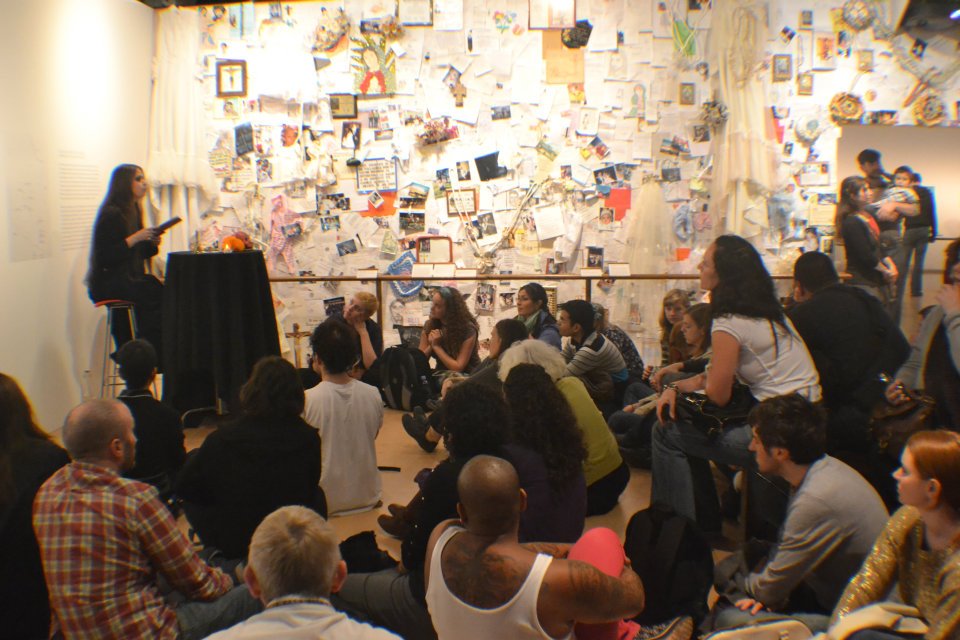

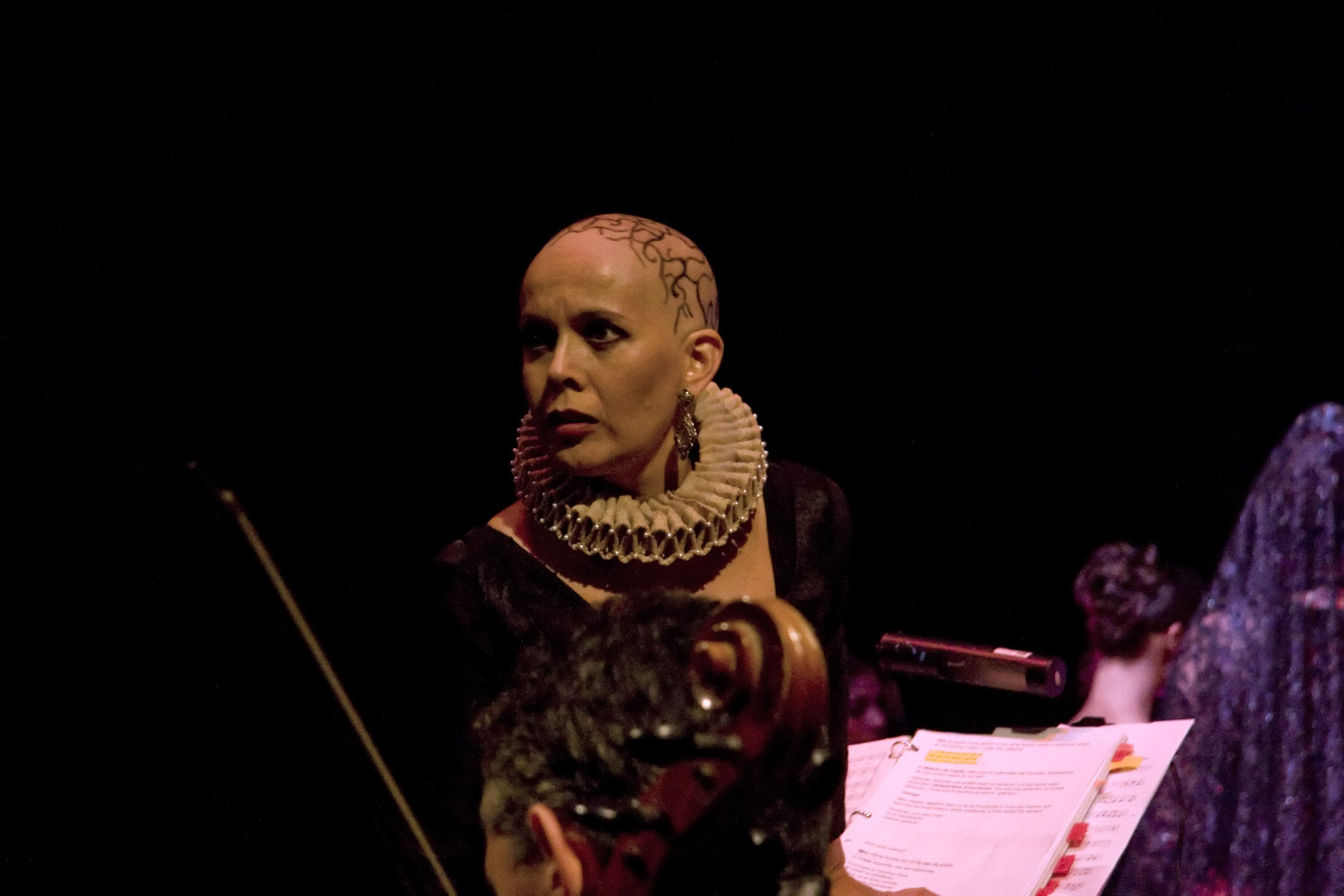

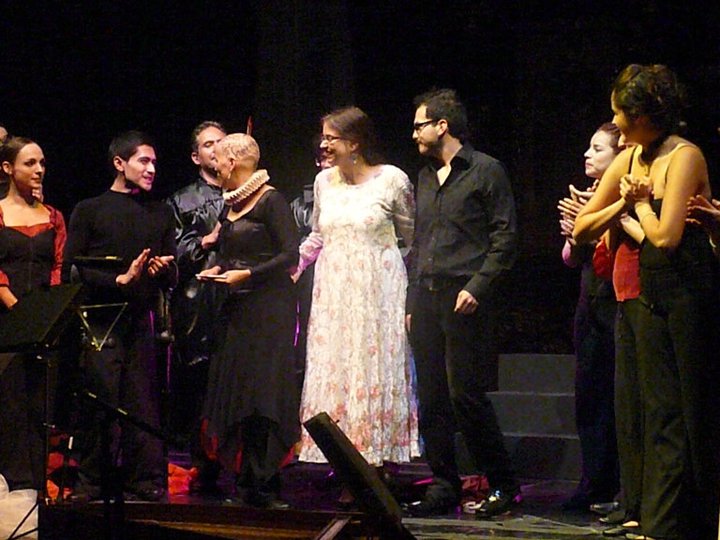
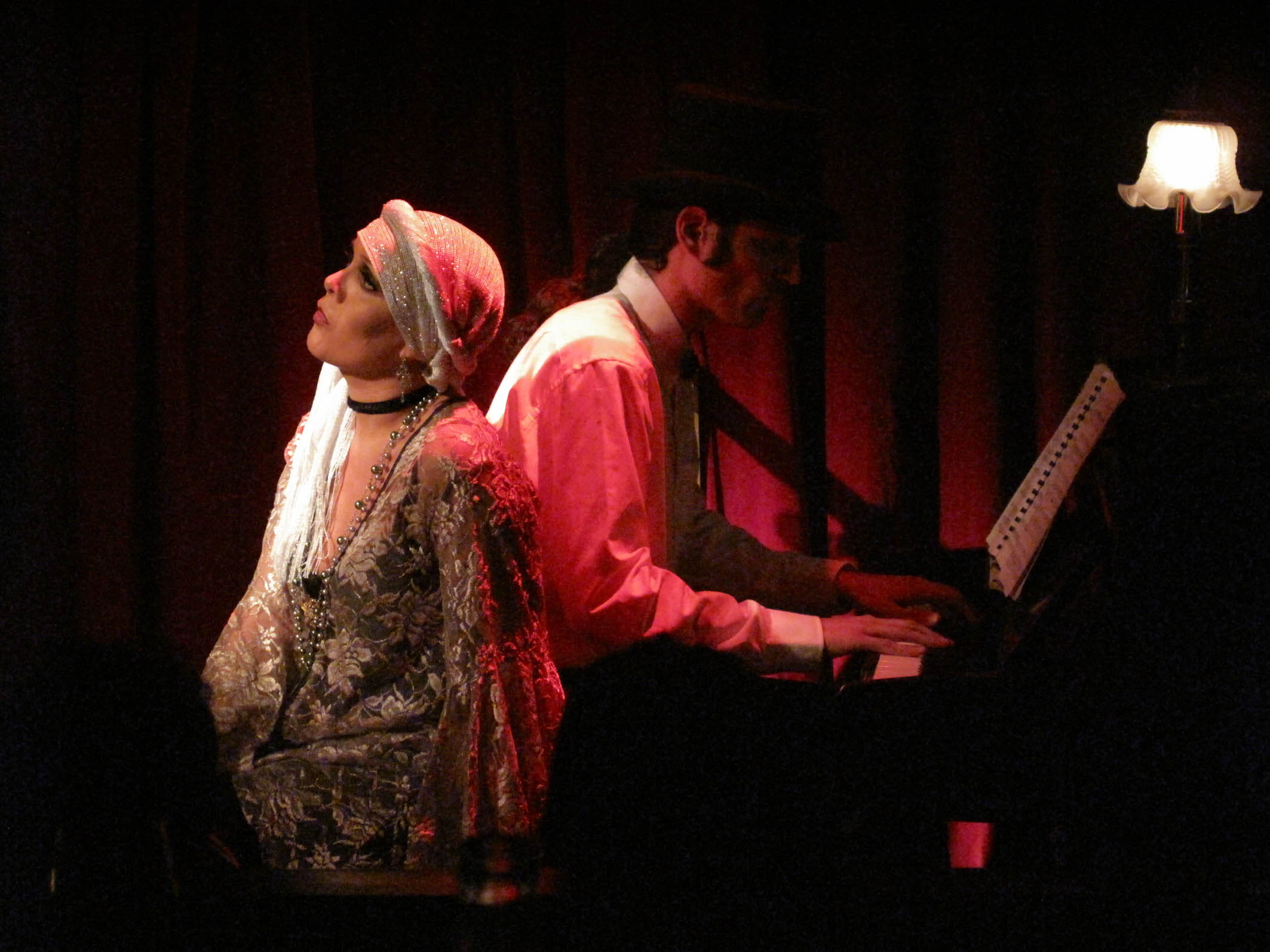






 Adriana Díaz Enciso
